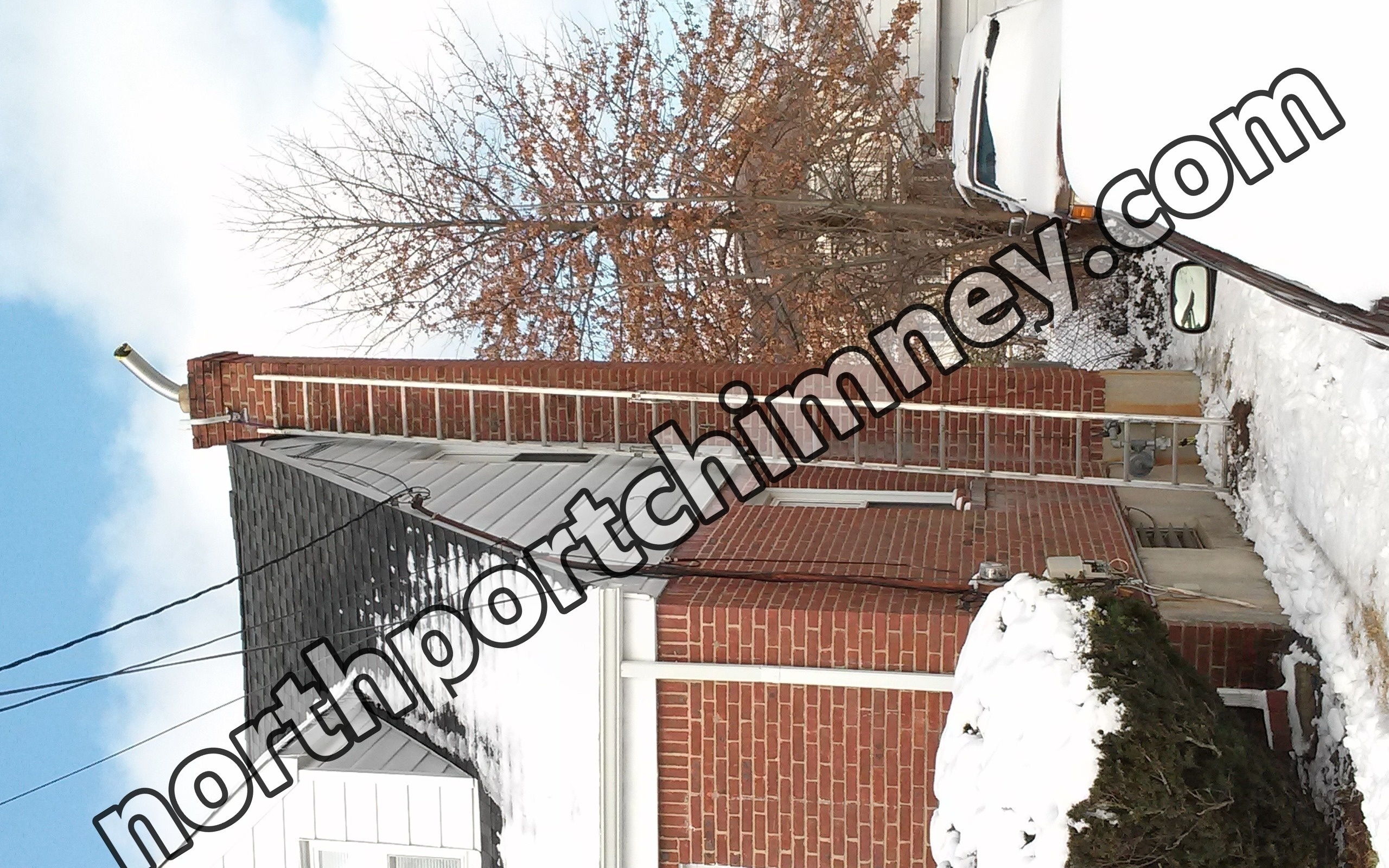
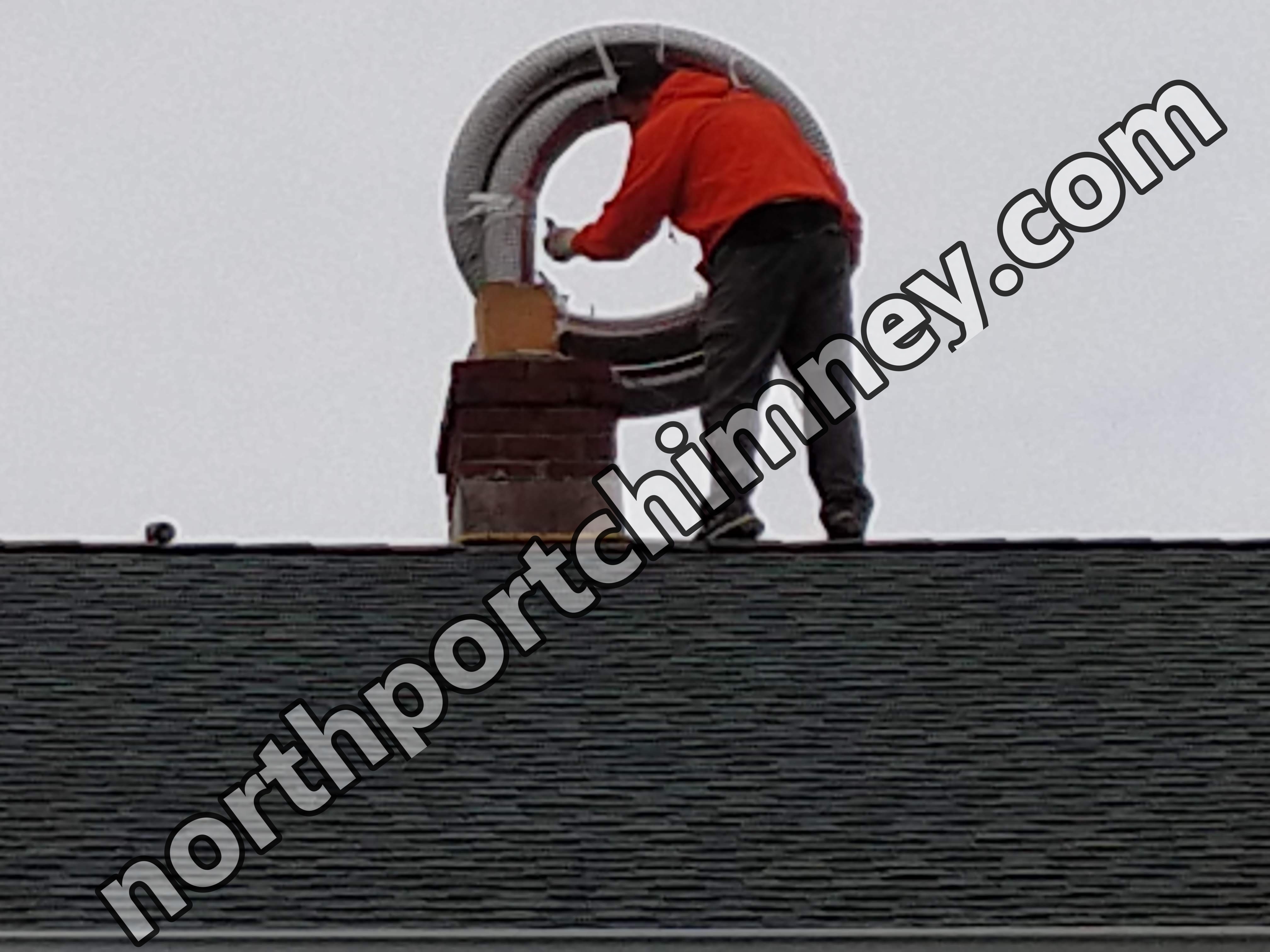
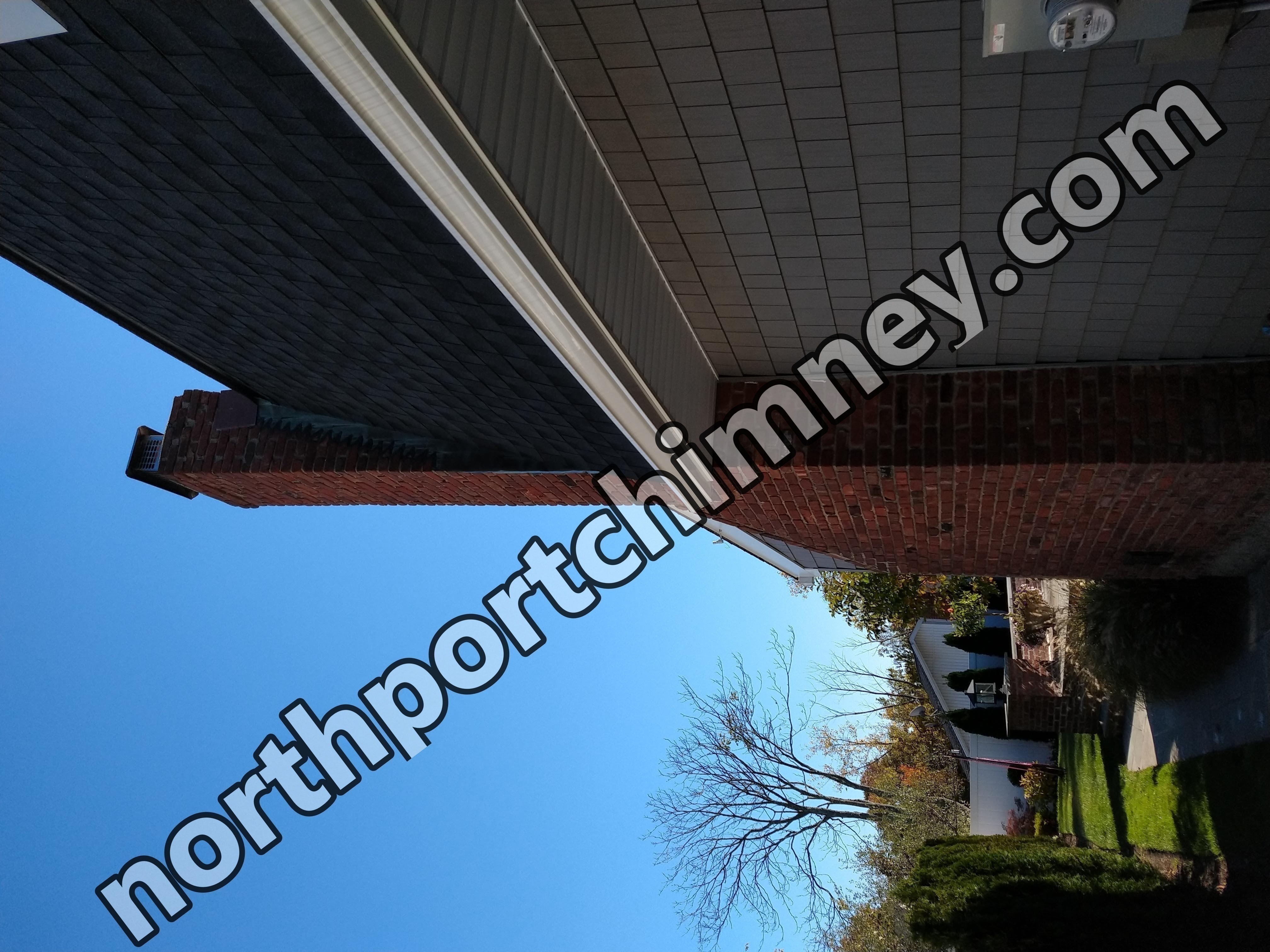
Huntington sits on one of Long Island's most beautiful coastlines, where the Atlantic Ocean and Long Island Sound meet. The area's homes reflect decades of settlement patterns, and many properties in Huntington were built during the mid-twentieth century when oil heating systems were the standard. If you own one of these older homes, your chimney has been working hard for decades. As we approach the fall heating season, now is the time to think seriously about whether your flue system is still performing at its best. A stainless steel chimney liner installation can be the difference between a safe, efficient heating system and one that puts your family at risk.
The typical home in Huntington relies on either an oil heating system or has made the switch to natural gas in recent years. Both heating methods depend on a properly functioning chimney to safely exhaust combustion byproducts. Oil furnaces produce corrosive acids that deteriorate masonry and older clay tile liners over time. Gas systems generate less aggressive fumes but still require a secure, properly sized flue. Many Huntington homeowners don't realize that their clay liner may have already started to crack or deteriorate from decades of exposure to these chemicals and temperature fluctuations.
A stainless steel liner works differently than the original clay tile that came with your home. Stainless steel resists corrosion from acidic condensation, handles temperature swings without failing, and maintains a smooth interior surface that improves draft efficiency. When you install a stainless steel liner in your Huntington home, you're replacing a deteriorating system with one engineered for modern heating demands. The metal won't absorb moisture the way older materials do. It won't crack or separate. It simply moves flue gases safely out of your home season after season.
For residents of Huntington considering an oil-to-gas conversion, a stainless steel liner is often important. Your existing clay liner may have been sized for your oil burner's output. Gas systems have different flue requirements. A new stainless steel liner can be properly sized for your converted heating system, ensuring optimal performance and safety. This is one of those situations where a liner upgrade isn't optional—it's the right next step in modernizing your home's heating infrastructure.
The fall season brings cooling coastal air and the first chill mornings to Huntington. This is when heating systems kick on and when problems with your chimney become most apparent. Temperature swings between your warm flue gases and the cold autumn air create condensation. If your liner is cracked or deteriorating, that moisture penetrates the surrounding masonry. It freezes and expands in winter. By spring, structural damage has often worsened significantly. Installing a stainless steel liner now, before the heavy heating season arrives, protects your home from this cycle of freeze-thaw damage.
Huntington homeowners often ask whether they should repair their existing liner or replace it entirely. The answer depends on the extent of the damage, but in most cases involving older clay tile, replacement with stainless steel is the wiser investment. A patched or partially degraded liner is a temporary fix. Stainless steel gives you a system that will protect your home through decades of heating seasons. The efficiency gains alone justify the investment. Your furnace or boiler won't work harder to push exhaust through a compromised flue. Your gas bills reflect the difference.
Safety concerns extend beyond the physical integrity of the liner itself. A cracked or deteriorated flue allows carbon monoxide and other dangerous gases to seep into your home's living spaces instead of exiting safely. In homes on Long Island where windows are often kept closed during winter months, this risk is particularly serious. A stainless steel liner creates an unbroken barrier. It keeps those hazardous gases contained and moving safely to the outdoors. For families in Huntington, this confidence is worth far more than the cost of the installation.
DME Maintenance has been serving the surrounding Suffolk County area since 2001. Douglas Eberling and his team have installed hundreds of stainless steel liners in homes just like yours. We understand the unique challenges that Huntington homes face, from the corrosive salt air near the coast to the age of the housing stock itself. We've seen what happens when chimneys fail, and we've also seen the dramatic improvements that come with a proper liner installation. Our experience means your installation is done right the first time.
Fall is moving fast, and winter heating season will be here before you know it. Homeowners in Huntington who wait until cold weather arrives often face longer wait times and rushed installations. If your home is due for a chimney liner upgrade, now is the moment to schedule an evaluation. Call DME Maintenance at 631-316-0622 today. We'll assess your current system, explain what you're dealing with, and walk you through your options. Don't wait until heating season strains your aging chimney system. Protect your home and your family now.
When you hire a contractor to install a stainless steel liner, the quality of the installation matters as much as the material itself. A liner that's improperly sized, poorly secured, or incorrectly connected to your heating appliance won't deliver the safety and efficiency benefits you're paying for. The technician needs to understand your specific heating system, measure your chimney carefully, and account for factors like draft requirements and flue gas temperature. Huntington homes vary widely in age, construction, and heating setup. What works for one property may need adjustment for another. That's why experience with local conditions and diverse home types is so valuable.
Many homeowners don't realize that a stainless steel liner can actually improve the resale value of their home. Buyers on Long Island, especially in a market where older homes are common, want assurance that major systems are modern and reliable. A newly installed stainless steel liner signals that you've invested in safety and maintenance. It removes a question mark from the inspection process. Real estate agents in the surrounding area often note that homes with updated chimneys and liners appeal to cautious buyers who don't want to inherit heating system problems.
Your chimney isn't just a flue—it's part of your home's overall thermal envelope and structural integrity. Moisture that penetrates deteriorating masonry around an old liner can spread into surrounding walls. It damages insulation. It can eventually weaken the structural integrity of the chimney itself. A stainless steel liner stops this moisture infiltration at the source. By sealing off the internal flue, you're protecting not just the chimney but the adjacent areas of your home as well. For older properties in Huntington where the chimney is integral to the home's structure, this protection pays dividends over time.