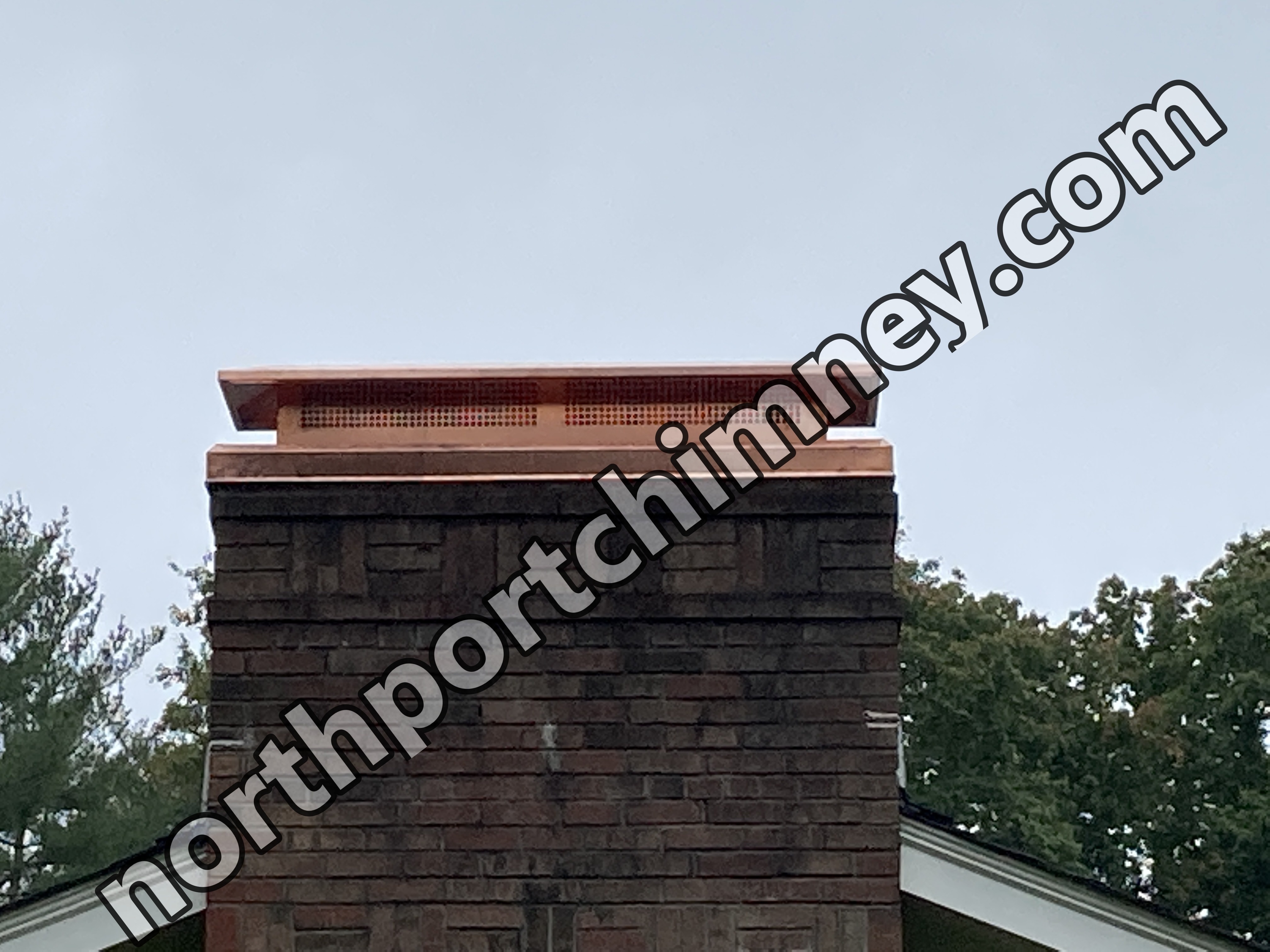
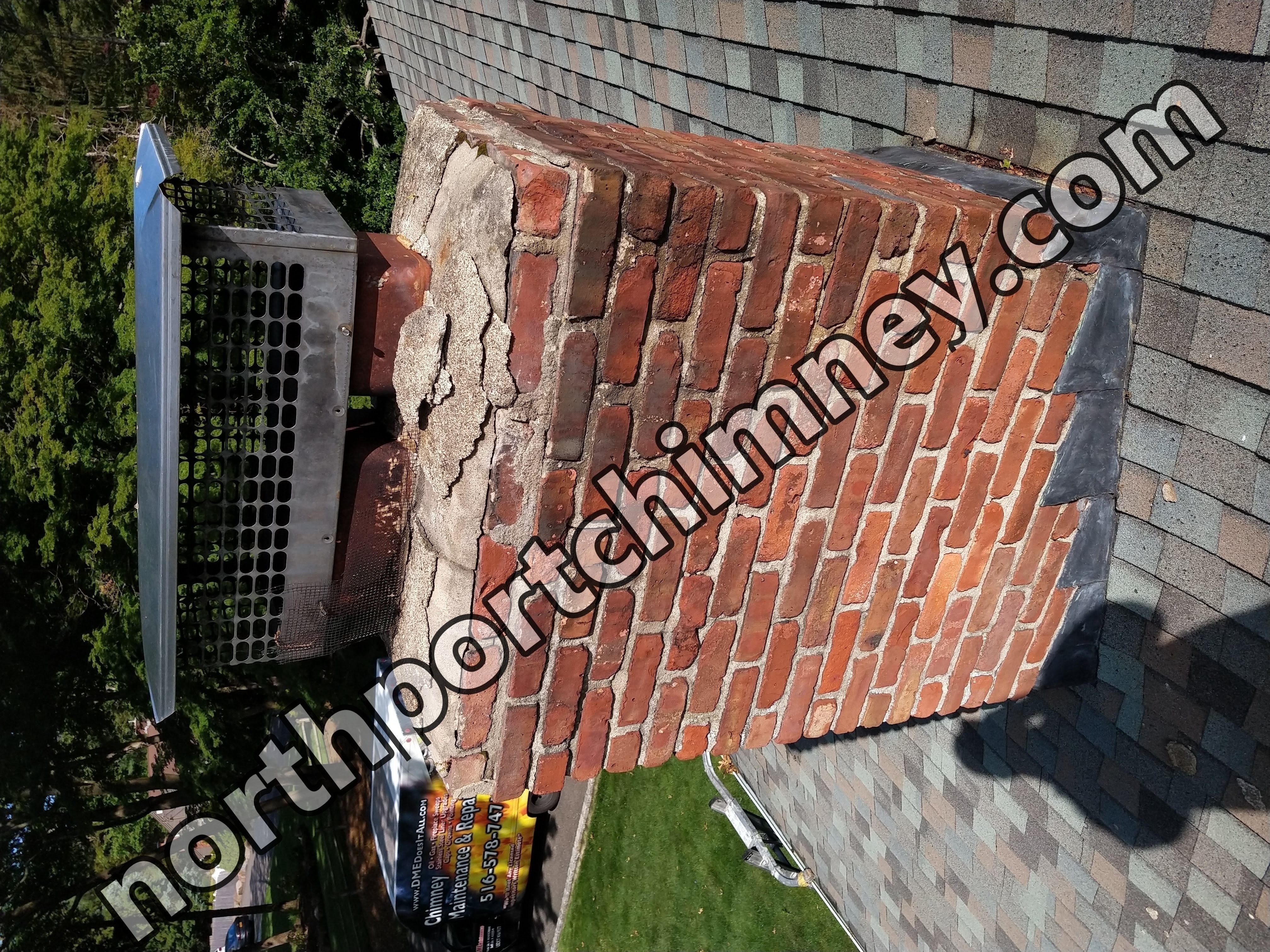
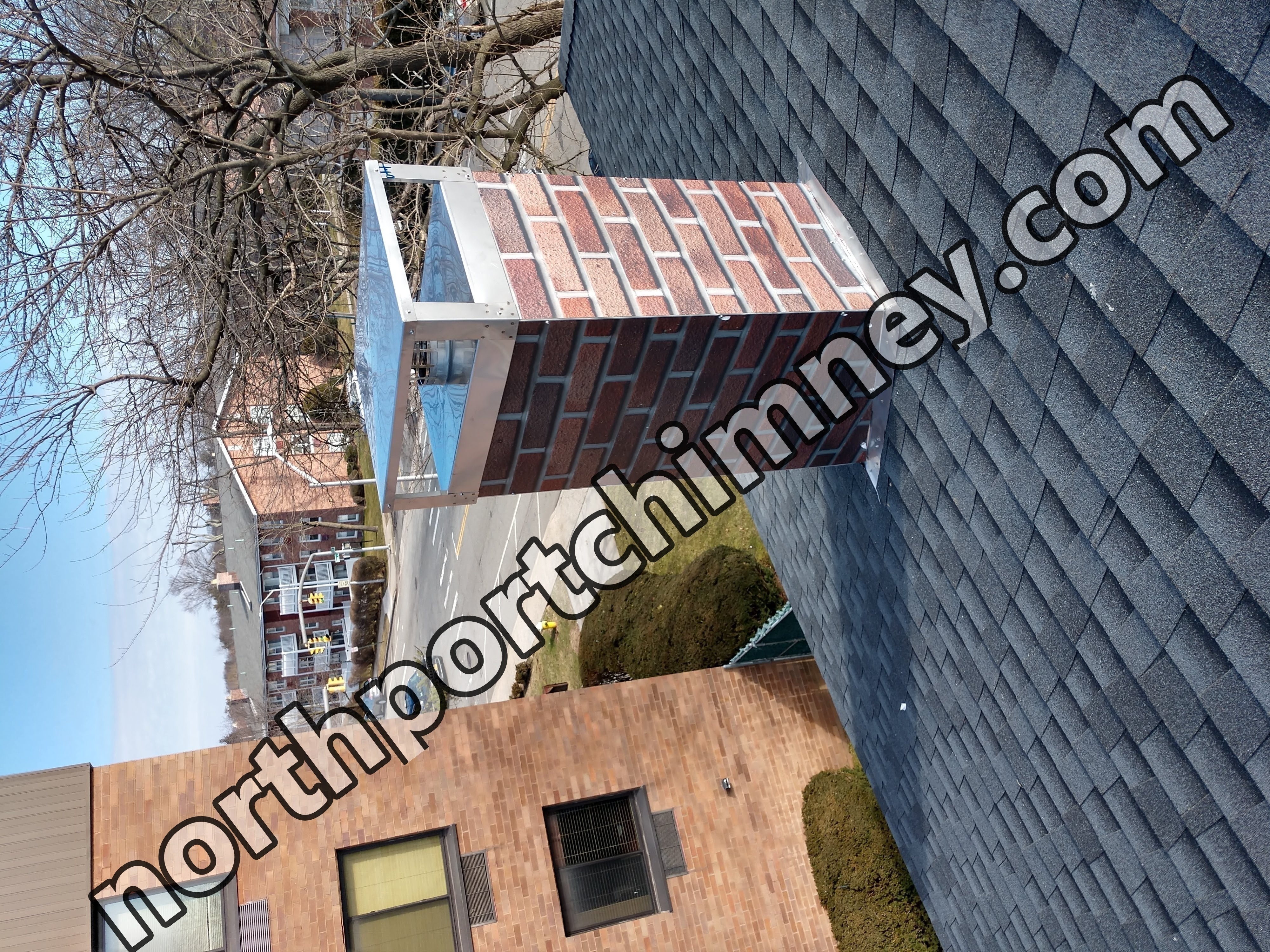
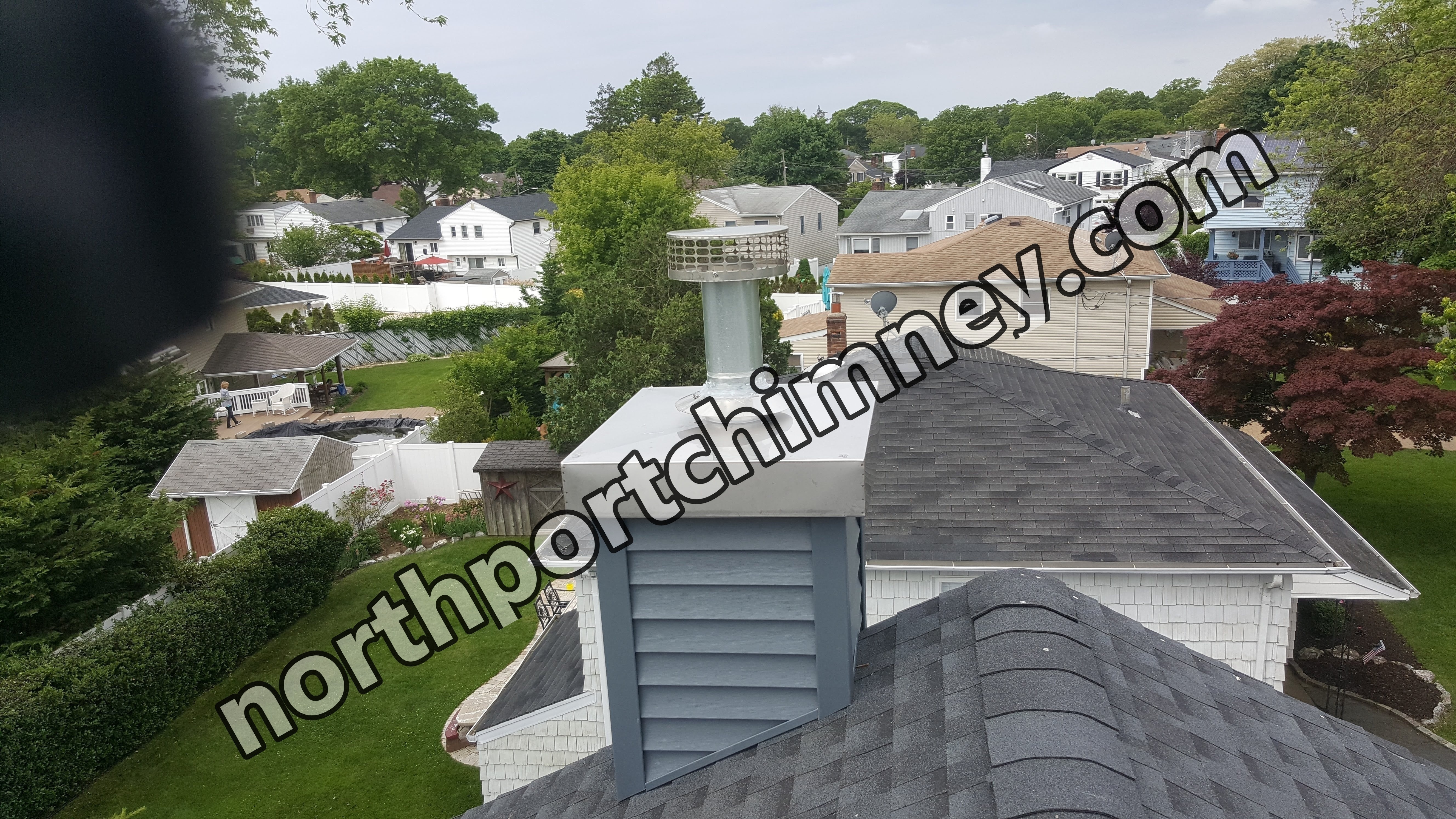
Most homes on Long Island were built between the 1950s and 1980s, meaning many chimneys in Huntington are now decades old. The chimney crown sits at the very top of your system, bearing the full force of northeastern weather. Rain, snow, ice, and freeze-thaw cycles are especially harsh on Long Island's maritime climate. If your crown has cracks, gaps, or erosion, water will find its way inside. This is why inspecting your crown before the rainy season and winter weather arrives is so important.
The crown functions like a roof for your chimney. It's typically made of concrete or mortar and slopes slightly outward to shed water away from the flue opening. When the crown fails, water doesn't just sit there—it seeps down into the chimney structure itself. Once water breaches the crown, it travels through the masonry, the flue liner, the interior walls, and eventually into your home. Many Huntington homeowners don't realize that water damage from a bad crown can lead to costly repairs far beyond the chimney itself.
Huntington residents living near Long Island Sound and coastal areas face additional moisture exposure. Salt air and humidity accelerate the deterioration of concrete and mortar. Older homes in Huntington often have crowns made with lime mortar, which is softer and more porous than modern concrete. These crowns crumble more easily under seasonal weather stress. Even homes just a few miles inland experience rapid crown degradation due to Long Island's wet autumns and brutal winter freeze cycles. A crown that looks solid from the ground may have significant hidden damage visible only from above.
Cracked chimney crowns are the most common problem we address for homeowners in Huntington. Small cracks can expand rapidly once water enters them. Freeze-thaw cycles on Long Island push water into those cracks, where it freezes and expands, making cracks wider. Within one or two winters, a small hairline crack becomes a major structural issue. Some Huntington homeowners notice water stains on interior ceilings near the chimney or damp spots in attic spaces around the flue. These are telltale signs that the crown has already failed and water has begun its journey downward.
Many homes on Long Island rely on oil-fired heating systems, and those systems depend on functional chimneys for safe operation. An oil burner produces exhaust that rises through the chimney flue. If water has compromised the flue liner or the surrounding masonry, exhaust can leak sideways into your walls and attic. Beyond safety concerns, water damage in the chimney structure weakens the entire system. Huntington homeowners with oil heat should inspect their crowns annually, especially before the heating season begins.
The crown's sloped design is intentional. Water should run off the edges and away from the flue opening where it can cause the most damage. When a crown settles, cracks, or develops low spots, water collects in these areas instead of draining. Standing water accelerates deterioration and increases the likelihood of leaks. A properly crowned chimney in Huntington will shed rain and snow effectively throughout the season. Poor drainage leads to premature aging of the masonry underneath and eventual failure of the entire chimney structure.
Rebuilding a compromised crown is far more cost-effective than addressing the water damage that follows. When the crown fails, water infiltration can damage flue liners, interior brick and mortar, roof framing, and drywall. Huntington homeowners often discover these secondary problems months or years after the initial water entry. By then, mold, rot, and structural weakness have taken hold. Addressing the crown before winter and rainy season prevents this cascade of expensive problems. A sound crown is the single most important maintenance investment you can make for your chimney system.
DME Maintenance has served Huntington and the surrounding Suffolk County, NY area since 2001. DME Maintenance knows the specific challenges Long Island chimneys face. We evaluate every crown for cracks, erosion, mortar deterioration, and water drainage patterns. If your crown needs repair, we restore or rebuild it to shed water effectively and protect your entire chimney system. Huntington residents can rely on our experience and attention to detail. We're here to help keep your chimney functioning safely through many winters to come.
Don't wait until you see water stains inside your home. Call DME Maintenance today at 631-316-0622 to schedule a chimney crown inspection before the rainy season and winter weather arrive. DME Maintenance will assess your crown and explain exactly what your chimney needs. Homes in Huntington deserve reliable protection from the elements, and that starts with a sound chimney crown.
When water enters a chimney system through a failing crown, the damage often extends into areas homeowners never suspect. Masonry joints deteriorate from the inside out, weakening the structural integrity of the entire chimney stack. In older homes on Long Island, this hidden deterioration can take years to become visible. By the time cracks appear in exterior brickwork or mortar joints crumble visibly, significant internal damage has already occurred. Regular crown inspection catches problems before they spread to the masonry below.
The flue liner is especially vulnerable when crown failure allows water to seep downward. Modern flue liners are made of clay tile, stainless steel, or ceramic material, and they require a dry environment to function properly. Water exposure causes clay tiles to crack and separate. Moisture accelerates rust and corrosion in metal liners. Once the liner fails, combustion gases escape into the surrounding masonry and eventually into your home. Huntington homeowners with older chimneys should have the flue liner inspected whenever crown damage is suspected, since the two problems often occur together.
The transition between the crown and the flue opening is a critical detail. This joint is where the crown meets the tile, and it's a common point where cracks develop and water finds entry. Poor installation or settling can create gaps in this seam. Wind-driven rain on Long Island can force water through even small openings at this junction. Proper crown construction includes a tight seal around the flue tile opening and slightly raised edges that direct water outward. Many crowns in Huntington lack these protective features because they were built with outdated methods or materials that have simply worn away with age.
Seasonal changes on Long Island stress chimney crowns in ways that homeowners often overlook. Spring snowmelt and heavy rains test the crown's drainage capacity. Summer humidity can cause mortar to expand slightly. Fall temperature swings create stress on concrete that's already weakened by moisture. Winter freeze-thaw cycles deliver the final blow to crowns that are already compromised. By understanding these seasonal patterns, Huntington residents can time their crown inspections strategically. Late summer or early fall is ideal for evaluating and repairing crown damage before winter arrives and makes problems worse.