Chimneys on Long Island face a unique set of challenges. The coastal climate means exposure to salt air, moisture, and freeze-thaw cycles that accelerate wear on masonry. Homes in Huntington often date back decades, with chimneys that have weathered countless winters and humid summers. When a chimney starts showing signs of distress, many homeowners hesitate to act. That hesitation can turn a small repair into a structural emergency within just one or two seasons.
The mortar joints between chimney bricks are the first line of defense against water intrusion. Over time, Huntington's weather takes its toll on these joints. Freeze-thaw cycles crack the mortar. Rain and humidity work their way into gaps. Once water penetrates the mortar, it spreads through the brick structure, causing damage that extends deeper than anyone can see from the ground. We've seen many Huntington homeowners face expensive repairs because deteriorating mortar joints went unaddressed for just a few years too long.
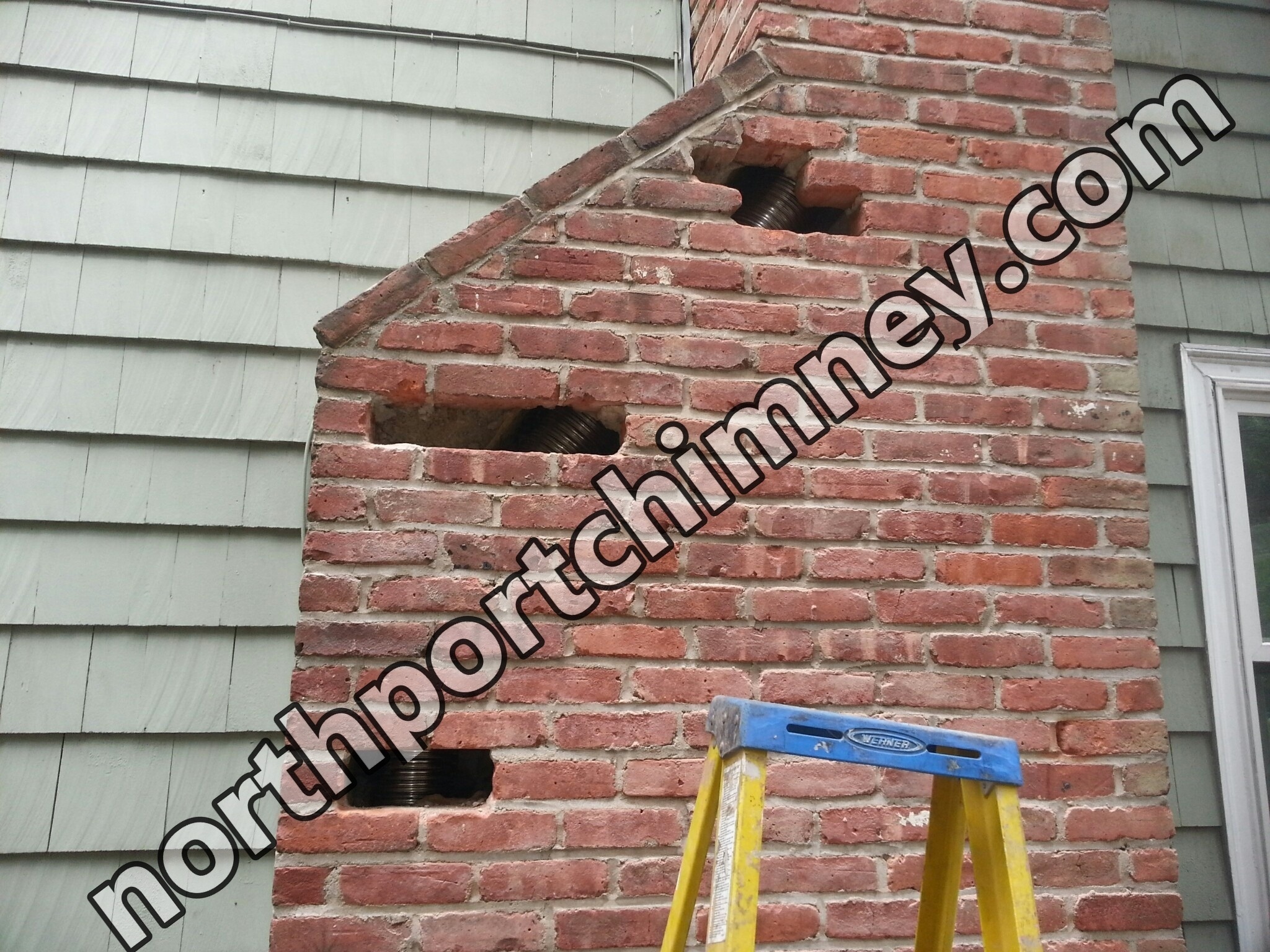
Brick damage often follows mortar failure. When water gets behind the outer face of a chimney, it freezes in the winter and expands. This pressure fractures and spalls the bricks themselves. In Huntington, where homes sit exposed to Atlantic-influenced weather patterns, this damage can progress rapidly. Damaged bricks weaken the entire chimney structure. They allow more water penetration. They compromise the integrity of the flue, which affects how your heating system operates. For residents of Huntington relying on oil heat during the long winter months, a compromised flue is a safety hazard as well as an efficiency problem.
Water intrusion remains the number one cause of chimney failure we encounter in Huntington. The moisture doesn't just damage the chimney itself. It seeps into the walls and roof framing surrounding the chimney. It can trigger mold growth in attics and wall cavities. It weakens the wood structure of the house. On Long Island, where humidity levels run high and salt air accelerates corrosion, water management in and around chimneys becomes critical. Huntington properties near the water face even more aggressive moisture challenges than inland homes. Even small leaks compound quickly in this environment.
Structural integrity is where all these issues converge. A chimney that's losing mortar joints, developing cracked bricks, and absorbing water is losing its ability to stand safely. The weight of the chimney puts enormous stress on the structure below. When bricks and mortar begin to fail, that stress concentrates in weakened areas. Chimneys in Huntington can become unstable without obvious warning signs from street level. By the time cracks appear on the exterior face, significant internal deterioration may already exist. This is why professional inspection matters far more than homeowner observation.
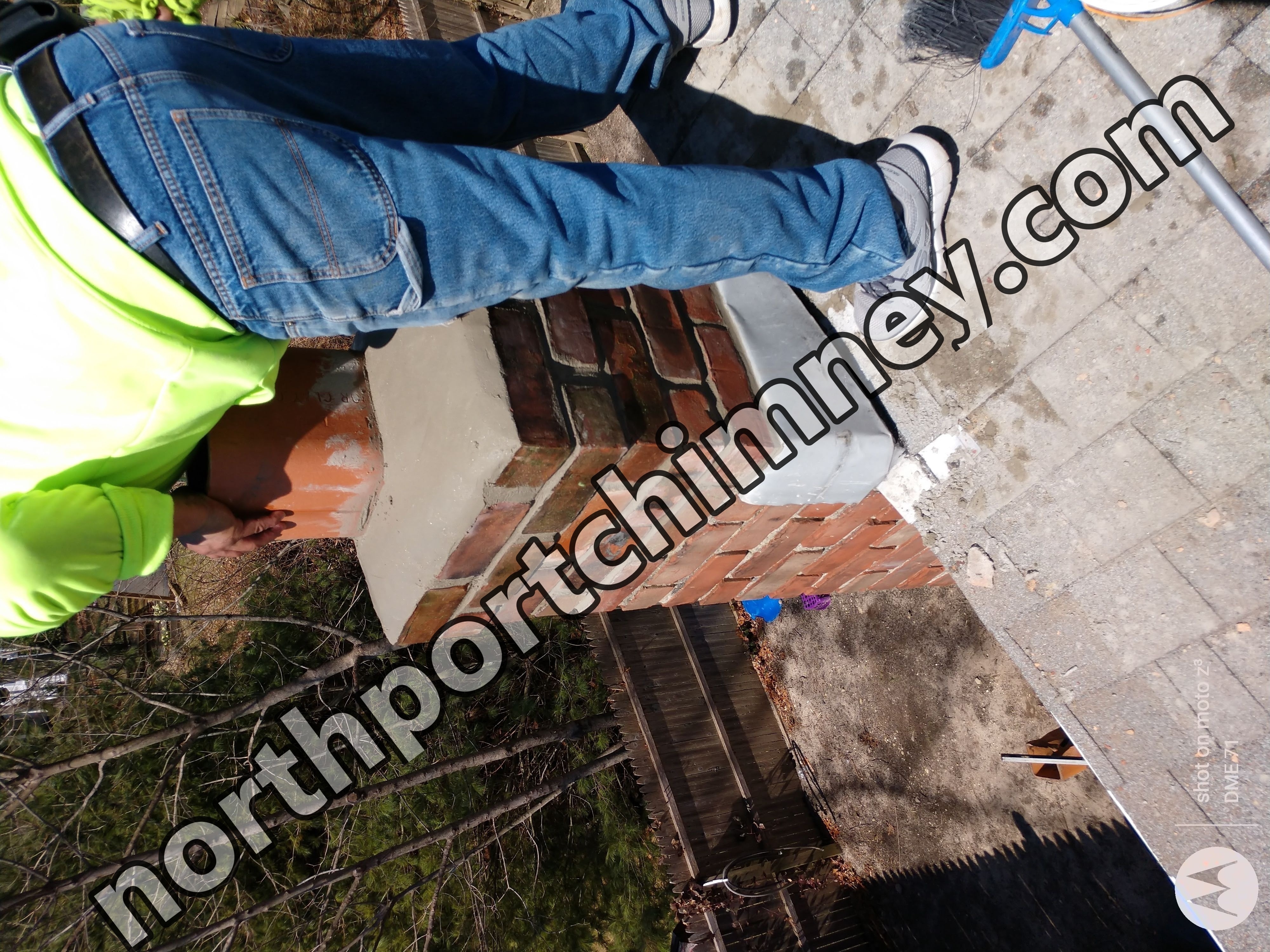
DME Maintenance has been serving Huntington and the surrounding Suffolk County, NY area since 2001. Douglas Eberling and his team understand Long Island's specific climate demands and how they affect chimney systems. We evaluate mortar joint conditions, assess brick integrity, identify water entry points, and measure structural stability. Our experience across hundreds of Huntington properties gives us insight into which problems tend to escalate and which ones, if addressed promptly, stabilize the situation. We've seen which repairs prevent future damage and which short-term fixes create bigger problems later.
The difference between early intervention and delayed action shows up in cost and safety. A homeowner in Huntington who has loose mortar joints repointed before water penetration becomes severe avoids structural damage entirely. The same homeowner who waits two more years faces water damage inside walls, compromised wood framing, potential mold, and possibly a partial chimney rebuild. Early detection and prompt repair keeps your home protected and your heating system operating safely. For families on Long Island that depend on their chimneys during the heating season, reliable function isn't optional.
If you've noticed your chimney showing any signs of wear, or if it's been several years since professional inspection, contact DME Maintenance today. Call 631-316-0622 to schedule an evaluation. Huntington homeowners deserve confidence knowing their chimney is sound. Let our experience on Long Island work for your home.
Seasonal weather patterns on Long Island create distinct stress cycles for chimneys. Winter brings freeze-thaw damage. Spring delivers heavy rains that test every seal and joint. Summer humidity keeps moisture levels elevated year-round. Fall storms push wind-driven rain into vulnerable areas. Homes in Huntington experience all four seasons intensely. A chimney that handles one season well may fail under the combined assault of multiple seasonal challenges. This is why year-round vigilance matters more than waiting for obvious problems to emerge.
The connection between chimney condition and heating system performance often surprises homeowners in Huntington. An oil heating system depends on proper draft to operate safely and efficiently. Water damage inside the flue restricts airflow. Deteriorated mortar allows air leaks that disrupt the draft. Damaged brick creates rough interior surfaces that slow exhaust gases. When your chimney isn't functioning properly, your heating system works harder to compensate. This drives up fuel consumption during the winter months when heating costs already strain household budgets. Better chimney condition directly translates to better heating efficiency for residents of Huntington.
Preventive inspection catches problems before they become emergencies. Many Huntington homeowners assume their chimney is fine because it looks intact from outside. Damage often starts on the interior or in mortar joints hidden from casual view. Small cracks widen over months. Surface spalling deepens into the brick. Moisture travels silently through masonry. A professional inspection uses specialized knowledge and observation to spot these issues early. What appears minor to an untrained eye represents the beginning of a larger problem. This is when repair costs remain reasonable and your home stays protected.
Salt air presents a particular challenge for properties on Long Island near the water. The salt particles carried on coastal breezes accelerate deterioration of mortar and brick. They promote corrosion of metal components. They can affect the interior flue as well as exterior surfaces. Homes in Huntington that sit closer to Long Island Sound experience this salt-air damage more aggressively than inland properties. Even subtle exposure adds up over years. Chimneys in these locations benefit from more frequent inspection and proactive maintenance. Understanding your property's specific exposure helps determine the right maintenance schedule for your situation.